
Mifflin Township Previous Residents Sources
The backward trail for a Mifflin Township address starts with an exact current parcel and moves through records by era. The Auditor and Treasurer provide current or tax-year property context. The Franklin County Recorder supplies a deed and legal-description trail. CML directories, maps, and census sources can add dated household clues. Probate, obituaries, and cemetery materials can help close a family-history trail. Each source answers a narrower question, so a name on a deed or a billing target should never be converted into an occupant claim.
| Source | Years It Covers | Where Held | What It Shows |
|---|---|---|---|
| Recorder deed index | Archived index 1804-1913; online deeds from Jan. 2, 1914 | Recorder search and counter | Transfer sequence, parties, legal description, and reference number |
| Auditor and Treasurer profiles | Current and tax-year context | Franklin County online tools | Parcel, situs, tax context, and location versus billing distinction |
| CML directories | Back to 1841; cataloged run 1843-1889 | CML Main Library and digital collection | Dated name and address leads, with later street listings from 1911 |
| Sanborn maps | 1887, 1891, 1901, 1921, and 1921-51 where mapped | CML local-history resources | Building footprint and street context |
| Federal census | Public through 1950 | National Archives and library resources | Household, date, and place corroboration |
| Mifflin Cemetery records | Burial mapping as early as 1818 | Township cemetery service | Burial-location clue from a reconstructed database |
Start with the era that is closest to the question. A recent transfer calls for the parcel and Recorder path. An older household question needs that same property anchor, then local directory, map, census, Probate, and cemetery evidence as available.
Mifflin Township Previous Resident Parcel
The Franklin County Auditor Property Search is the first address-to-parcel bridge. Its documented address mode uses street name and address number, and it searches parcel and building addresses. Save the parcel ID, location or situs address, legal description, routing fields, and the date searched. That information survives more reliably than a loose old street name and supplies the Recorder’s actual search key.
The Treasurer can provide a useful cross-check, but it separately displays location and billing addresses. A billing addressee is a tax-correspondence contact, not evidence that the person lived at the Mifflin Township property. The same caution applies to an Auditor ownership position. Property records establish property and title context, not a complete household list.
Mifflin Township Previous Residents Deed Chain
Franklin County’s Recorder does not index deeds by modern street address. The County’s documented method is parcel and legal-description based. The title sequence can identify dated grantors and grantees, but title parties are not automatically residents. Preserve the document date and reference with each name, then look for a separate dated household source before describing who lived at the address.
- Use the Auditor address search to capture the exact parcel ID, legal description, current transfer clues, and current geography.
- Locate the deed or instrument through the Recorder parcel index, using the legal description where needed.
- Read and record the seller or grantor, buyer or grantee, recording date, book and page or instrument number, and legal description.
- Search the prior owner as grantee with the same legal-description or parcel clues, then repeat the sequence backward.
- Build a documented title chain, rather than an unsupported list of previous residents or occupants.
- Grantor / grantee
- The grantor is the party transferring an interest in a recorded document. The grantee is the party receiving that interest.
- Chain of title
- A documented sequence of recorded property transfers tied together by the same parcel or legal description.
- Legal description
- The formal land description used in recorded instruments. It is more durable than a street address for older Franklin County research.
The Recorder’s recording guidance explains the parcel-first method and older reference formats.
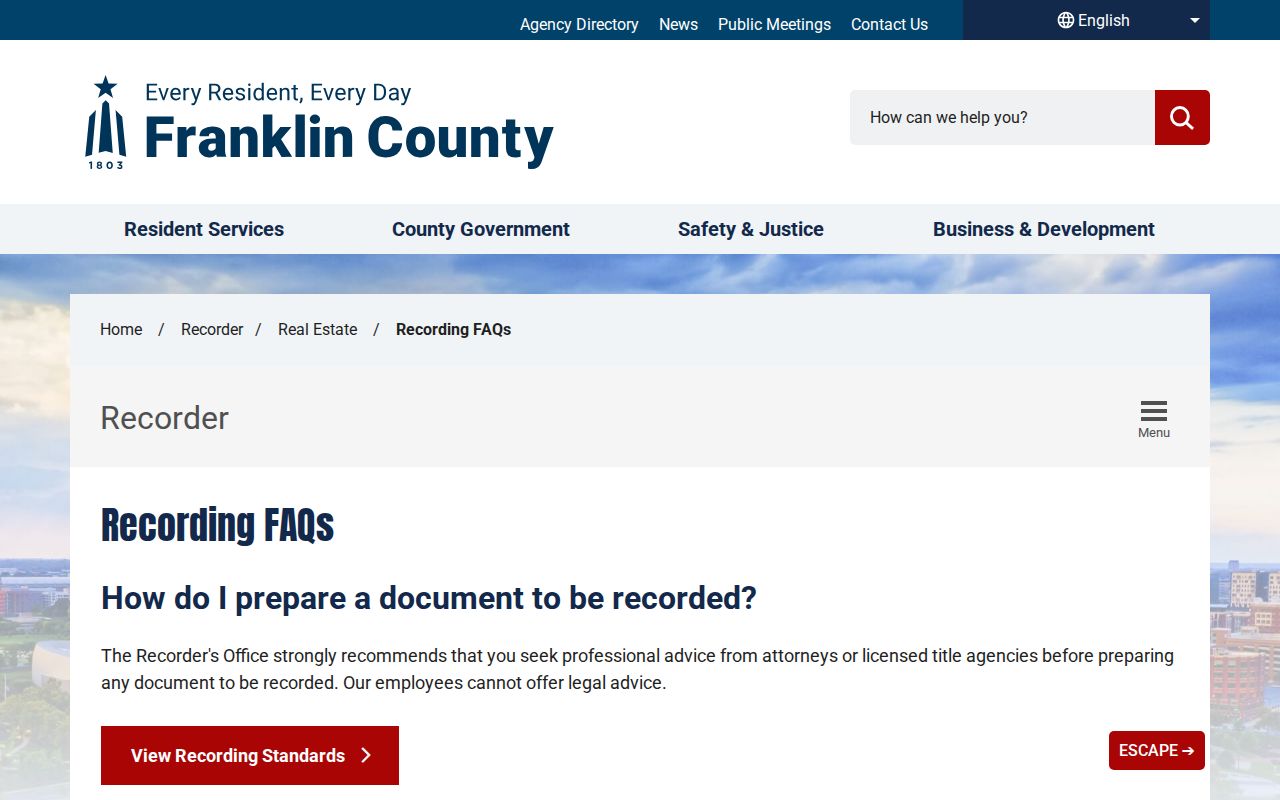
A complete instrument reference makes the next archival or counter request more precise than a search based only on a current street name.
Mifflin Township Previous Resident Eras
Recorder coverage shifts as the trail moves backward. The published guide places online deeds from January 2, 1914 and archived deed-index searching in 1804-1913, including a Grantee Deed Index for 1804-1888. Earlier work requires the archival index path, Recorder counter or archive assistance, and the legal description. The old index is not a gap in property history. It is a different access channel.
Reference formats also change. For records after May 15, 1997, save the 15-digit instrument number. For October 10, 1980 through May 14, 1997, use the volume and page sequence derived from microfiche. Earlier material uses book, volume, and page conventions. These are search and citation cutovers, not dates when title history began or ended.
Note: Record the era-specific reference with every deed, because the same property may require an instrument number, volume and page, or older book citation.
Mifflin Township Past Resident Labels
Address continuity is a local research issue. The original Mifflin Township grid was repeatedly altered by annexation. A historical deed may identify Mifflin Township, a directory may use Columbus or Gahanna, and a postal address may use a different city and ZIP. Keep all versions beside the dated legal description and parcel. A failure under one label is a reason to try the others, not proof that a household vanished.
The Township history describes the original territory and later annexation context. It helps explain a changing place label, while a map layer, deed, or directory volume still supplies the era-specific evidence.
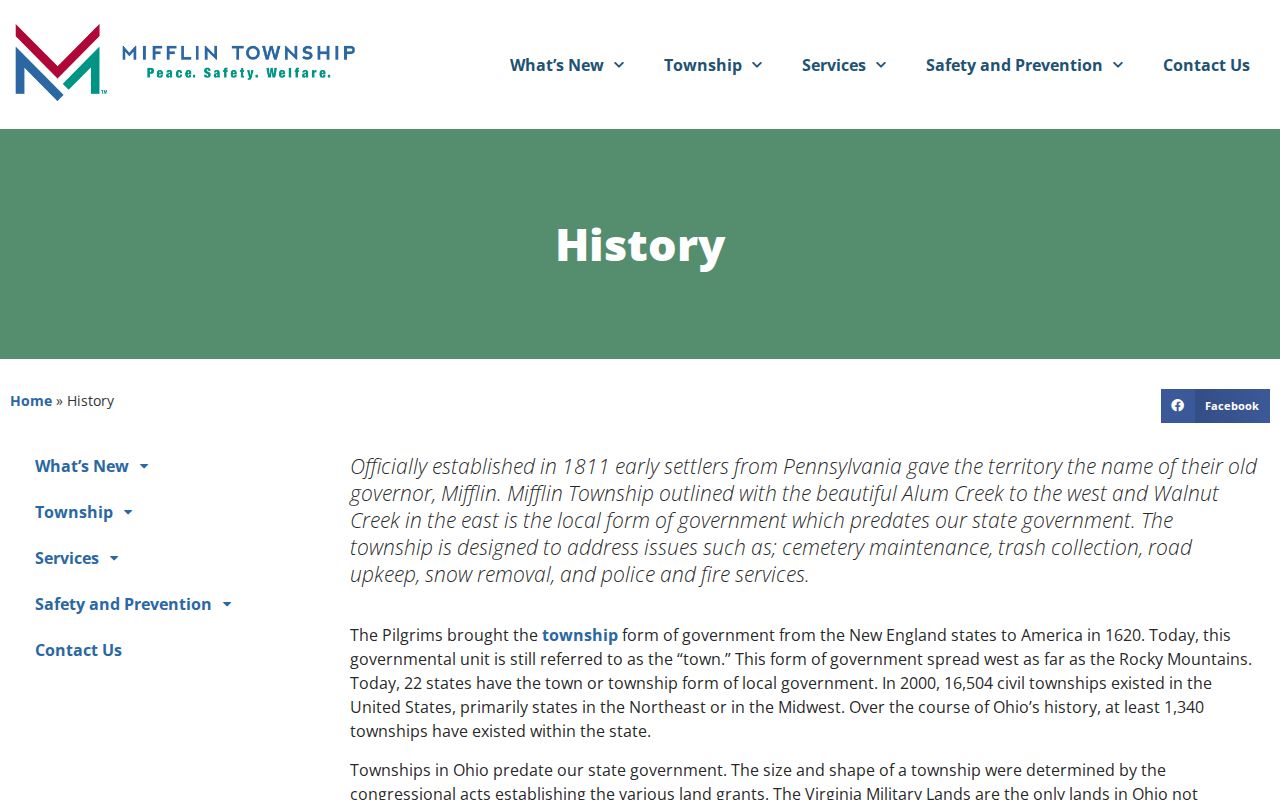
Saving each date and geographic label prevents a Columbus or Gahanna result from being mistaken for a new property without a parcel comparison.
Mifflin Township Previous Resident Households
Recorded ownership is only one layer of a house history. CML city directories reach back to 1841, while its cataloged Columbus City Directory run is 1843-1889 and its digitization work remains ongoing. Street-address listings begin in 1911. Before 1920, Columbus directories cover addresses within corporate limits, so an omitted Mifflin Township household may be outside the book’s geographic scope. The library’s historical collections are explained in more detail in the Mifflin Township city directories.
Pair a dated directory clue with the nearest publicly released federal census. The census is available through 1950, but it is not always directly indexed by an old street form. The directory can supply a name or address lead; the census can corroborate household composition, date, and place. Neither replaces the other, and neither alone proves continuity across annexation.
- Begin with a directory year close to the deed or parcel event and copy the name, address when printed, page or image, and place label.
- Compare one or two directory issues before and after it, retaining alternate spellings and address forms.
- Use a criss-cross or street section only if that edition provides one, noting whether the match is alphabetical or street ordered.
- Pair the year with the nearest released census, then test the candidate against a deed, Probate, obituary, cemetery, or map record.
Note: A directory entry is a dated household clue, while the deed chain is a title trail; neither should be broadened beyond its own record role.
Mifflin Township Previous Residents Map Evidence
CML’s House History guide connects address research with the Auditor, Recorder, directories, maps, and Sanborn material. CML names Columbus Sanborn holdings for 1887, 1891, 1901, 1921, and 1921-51. Where a location fell within mapped coverage, a Sanborn sheet can support a building-footprint or street-context question. It cannot prove occupancy or fill a directory gap outside mapped limits.
Use map evidence to test address continuity. Compare the printed street form, lot or legal description, and nearby features across dates. If an address name changes or the property was annexed, preserve that discrepancy for the next deed, directory, or census search instead of forcing all records into a modern address format.
Mifflin Township Previous Residents Endpoints
Probate, obituaries, vital records, and cemetery material can add an endpoint to a past-residents trail. Franklin County Probate Court Record Search covers county marriages, estates, guardianships, name changes, and historical birth and death material for 1867-1908. Its general case and marriage search are separate routes, and confidential case classes do not appear. Most filings after August 2, 1998 have images, but the court file and its access rules control.
Ohio Revised Code section 3705.23 governs certified vital-record copies and protected material. A certificate can document an event only through the proper custodian and eligible request process. The Ohio vital-records statute is the source for that access framework.
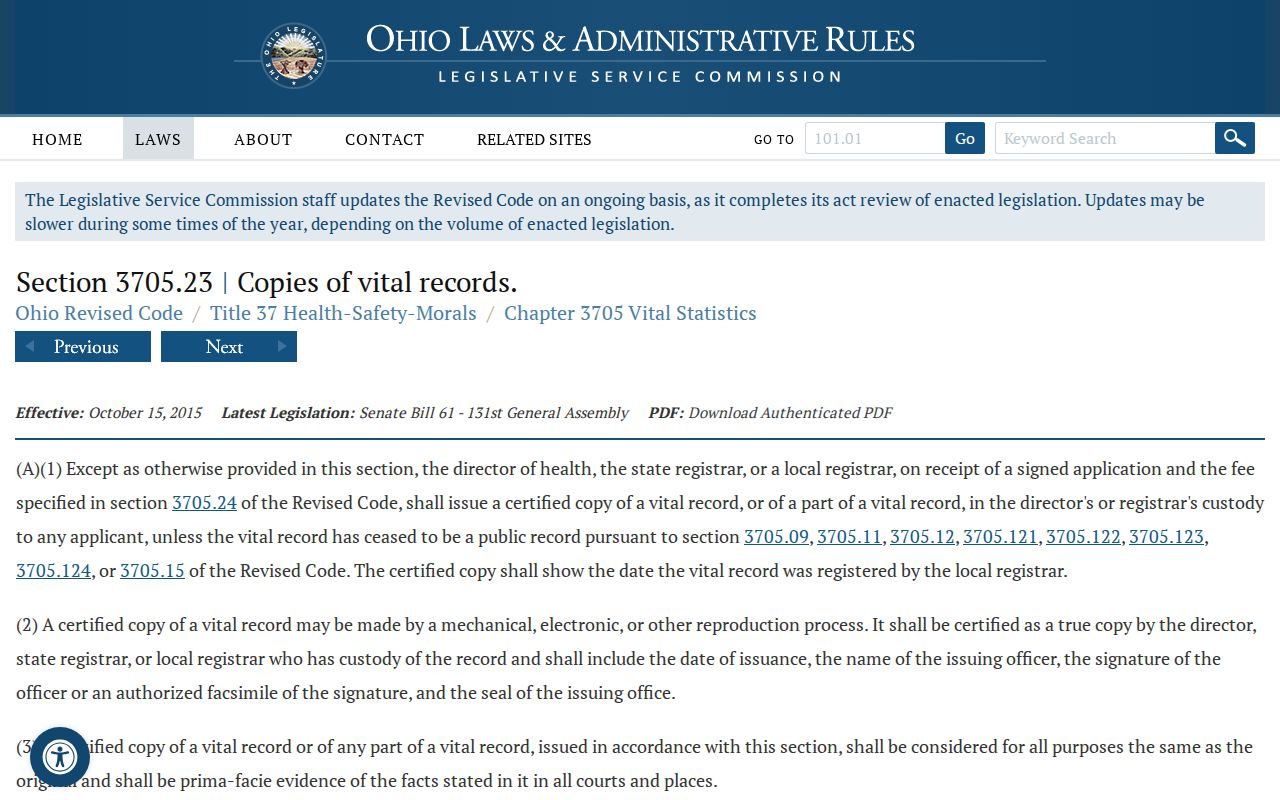
Vital material can support a date or event, but a certificate request must follow the custodian’s rules and protected-information limits.
Mifflin Cemetery provides another endpoint. Its original interment books were destroyed in a fire, and the Township rebuilt a database from surviving records for nearly all burials. The available historic map reaches burials as early as 1818. Treat the database and lot map as a burial-location clue, then corroborate identity with an obituary, Probate file, death record, census, or deed.
Mifflin Township cemetery services provide the local cemetery route and current service information.
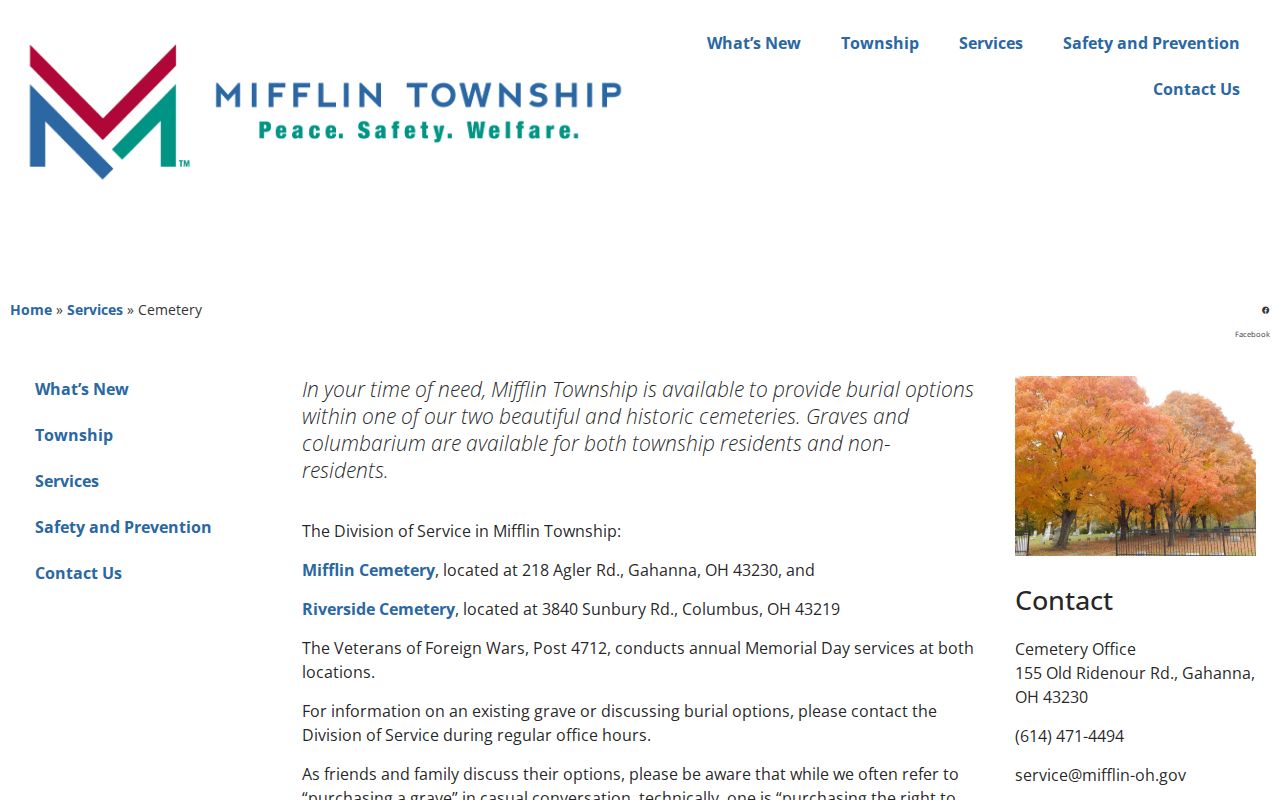
The fire loss is a documented completeness limit, so a missing burial entry should not be read as proof that no burial occurred.
Mifflin Township Previous Resident Channels
Use the custodian that holds the record when an online result is incomplete. The Recorder offers current Cloud and Legacy search paths, archival-index research, and a counter route. CML provides in-person directory and local-history resources, staff assistance, an Ask-a-Librarian route, and a digital collection. Probate has its own record search plus mail, email, and in-person copy channels. Ohio History Connection Archives & Library offers archival research guidance. Each channel has distinct date, image, or confidentiality limits, so retain the record identifier and ask for the specific item needed.
A court file can occasionally be part of a historical research question, but court systems are separate by jurisdiction. The U.S. District Court for the Southern District of Ohio is the federal route and does not replace county Recorder, Probate, municipal, or Common Pleas sources. A party name in any court record is not a claim that the person lived at a Mifflin Township property.
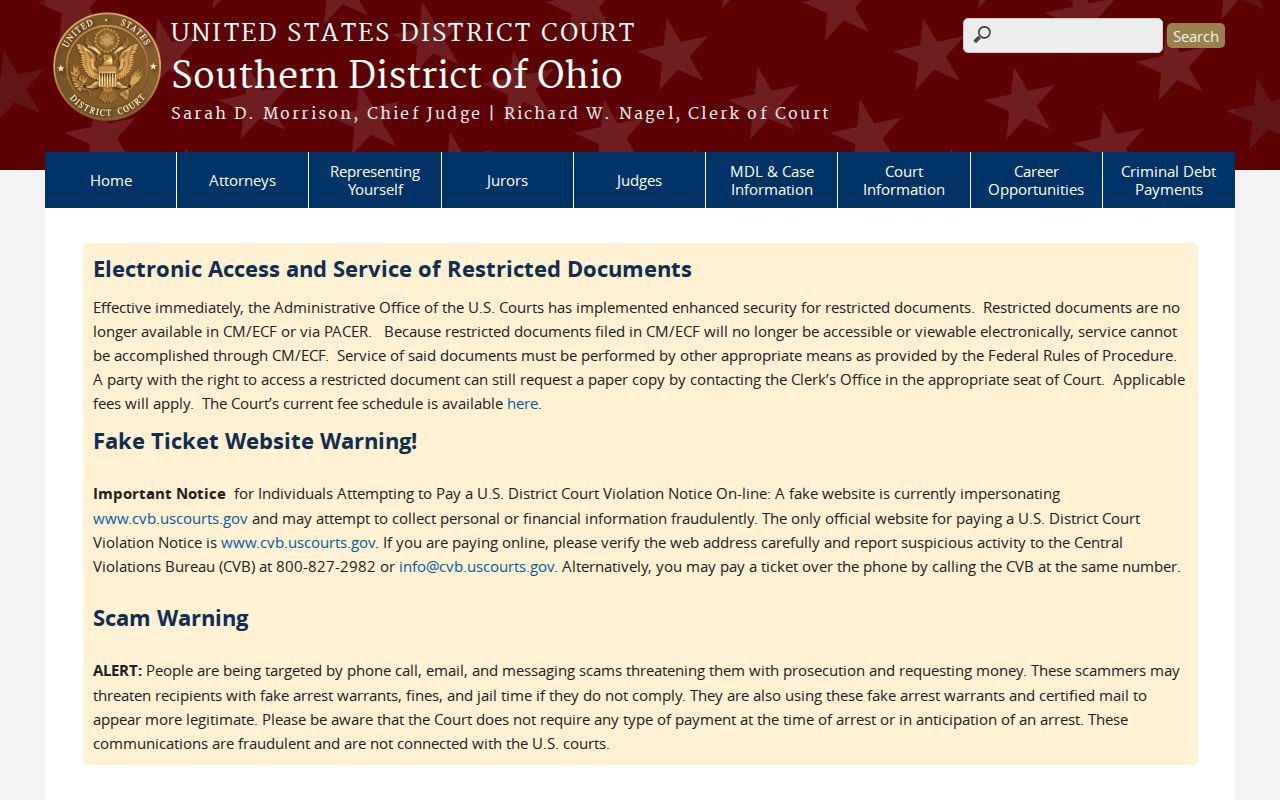
Matching the question to the correct custodian keeps a property history from being distorted by an unrelated name-index result.
Lawful use. Use Mifflin Township house-history and family-history records for lawful personal research. Respect protected records, and never use address history to stalk, harass, or harm anyone.